Governor Declares Insecurity Worsens, We Need Help
- Some politicians can’t go home, remain in Abuja, Lagos
2.Army intensifies operations, arrests 131, kills 57 terrorists in one month
3.Experts warn of infiltration risks in fresh recruitment drive
By Evelyn Usman
On a humid Wednesday night, February 18, 2026, silence hung over Ahungha Village in Akure North, Ondo State, until it was shattered by gunfire.
They came like phantoms in the dark, heavily armed and merciless. Their target was neither a rival gang nor a security outpost. It was a palace , the sacred home of a traditional ruler.
By the time the night exhaled its last breath, Oba Kehinde Jacob Faledun, the revered monarch of Ahungha, lay in his own blood.
The gunmen had invaded his palace to abduct him. For resisting, he was killed.
Hours later, as if to underline the country’s collective anguish, 34 Muslim worshippers were massacred in Kebbi State, barely two days into Ramadan. Two separate horrors. One unifying message: In today’s Nigeria, human life appears increasingly vulnerable.
GEOGRAPHY OF FEAR
From Borno to Zamfara, Niger to Yobe, Ondo to Kwara, Edo to Kebbi, the map of Nigeria is increasingly marked by violence. Communities once known for farming, fishing and festivals are now defined by curfews, mass burials and ransom negotiations.
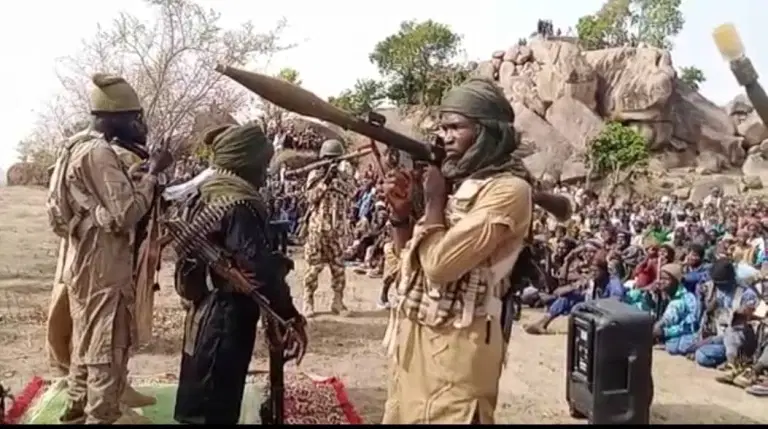
Terrorists move with chilling audacity. Villagers are dragged from their homes. Worshippers are seized mid-prayer. Travellers vanish along highways that have become hunting grounds.
Security agencies, though battling fiercely, are facing expanding fronts , a reality some state governors now acknowledge.
GOVERNOR CALLS FOR HELP
In a chance meeting with a sitting governor of one of the affected states, I asked pointedly: “Your Excellency, isn’t this getting too much? What is the way out?”